
Homepage > Hypnosis to Stop Smoking
Become A Non-Smoker Without Fighting Yourself
Release the automatic urge to smoke so breathing fresh air finally feels natural again.

As Seen On


Can Hypnosis Help You Quit Smoking?
Hypnosis may help some people quit smoking by changing the subconscious habits, emotional triggers, and automatic thought patterns associated with cigarettes. Instead of relying only on willpower, hypnosis focuses on helping people respond differently to cravings and routines. Results vary from person to person, but many people find it easier to break long-standing smoking habits when hypnosis is part of their quit-smoking plan.
If the withdrawal itself is what worries you most, the nicotine withdrawal timeline sets out what happens at each stage and roughly how long it lasts.
Cravings Lose Their Grip
Wake Up Breathing Easier
Finally See Yourself As A Non-Smoker
Stay Calm Without Reaching For A Cigarette
Quiet The Constant Mental Battle
Take Back Your Freedom
The Brain’s Shortcut
What’s Really Driving The Urge to Smoke
You were born a non-smoker. Over time, your brain learned to link cigarettes with stress relief, boredom, social connection, or a way to steady your nerves. Even when you know it is harming your body, that early programming can make smoking feel like the fastest path to comfort.
Long workdays, stressful responsibilities, health worries, and emotional strain all feed into this habit. Lighting up becomes automatic in specific moments, such as after meals, in the car, with coffee, when you feel frustrated, or when you’re trying to wind down.
Pills, patches, and gums can help with nicotine cravings, but they don’t resolve the emotional and subconscious patterns that keep pulling you back. That is why many people relapse by quitting for a short time, then return to smoking the moment life gets stressful again.
Discover the secrets to becoming smoke-free for good by watching the video below 
Those learned links have a name and a mechanism. Smoking triggers explained covers the four types, why they outlast the nicotine, and what actually weakens them.
what they say ?
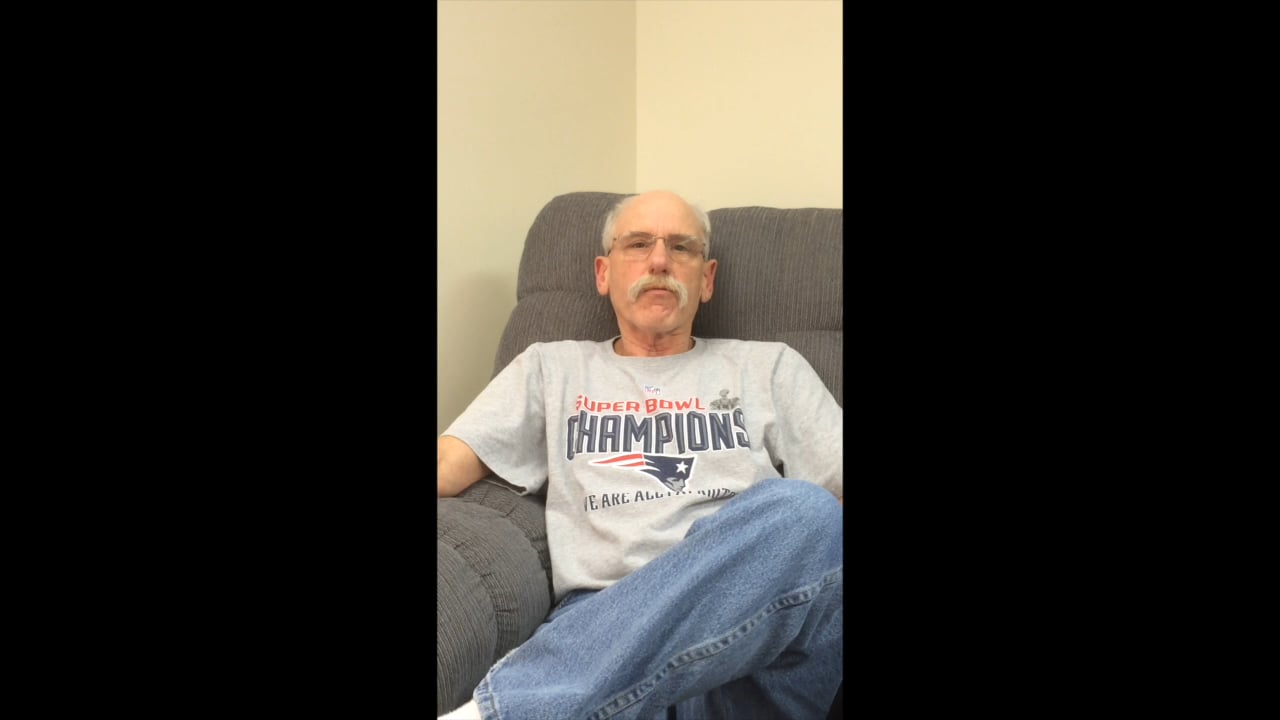
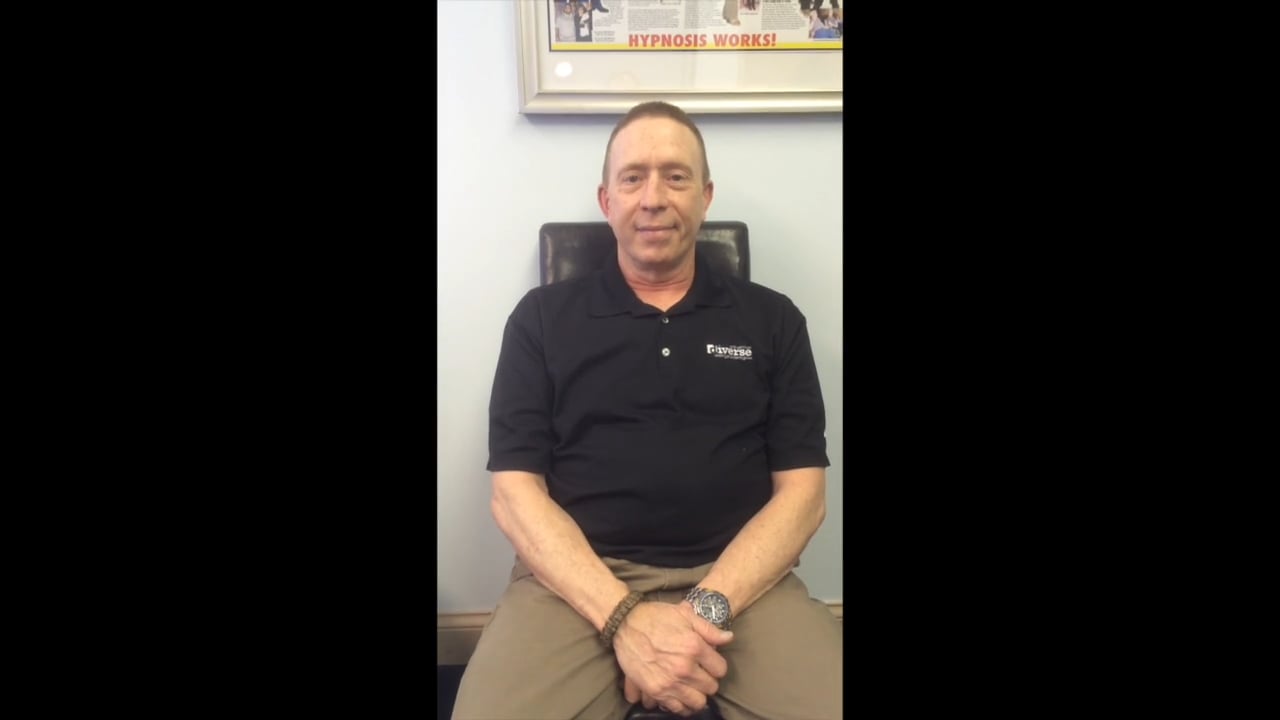
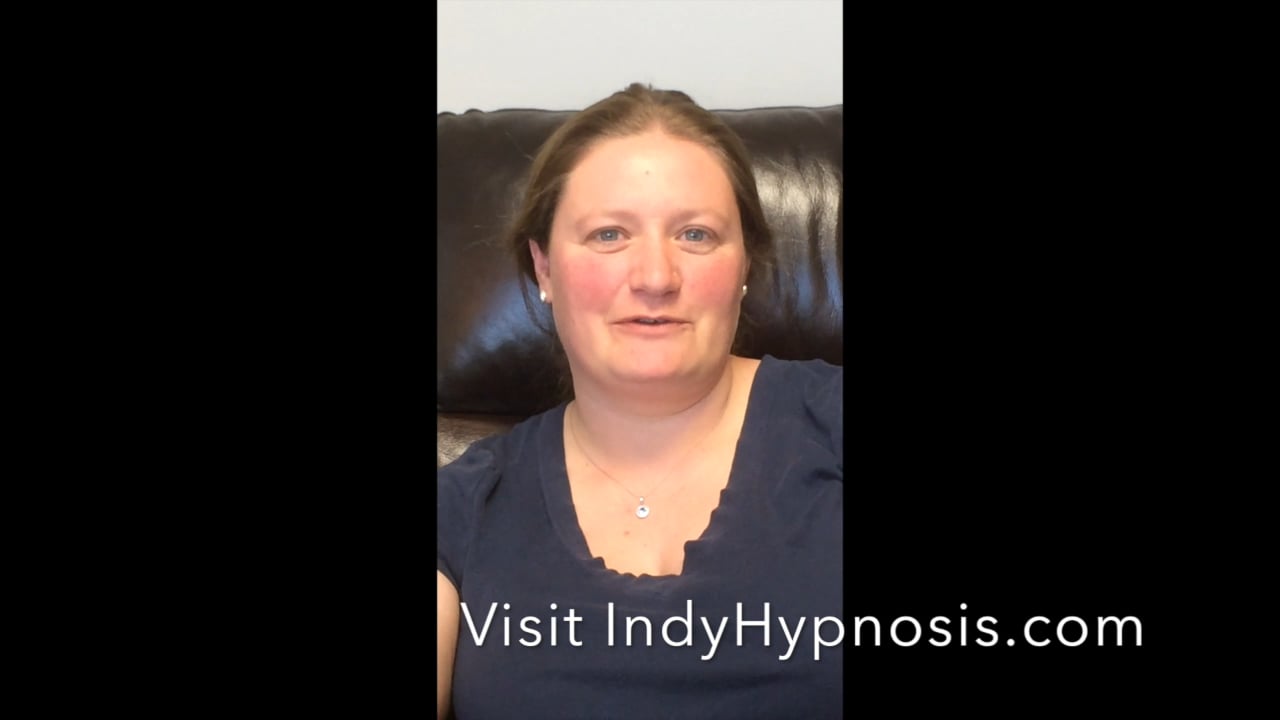
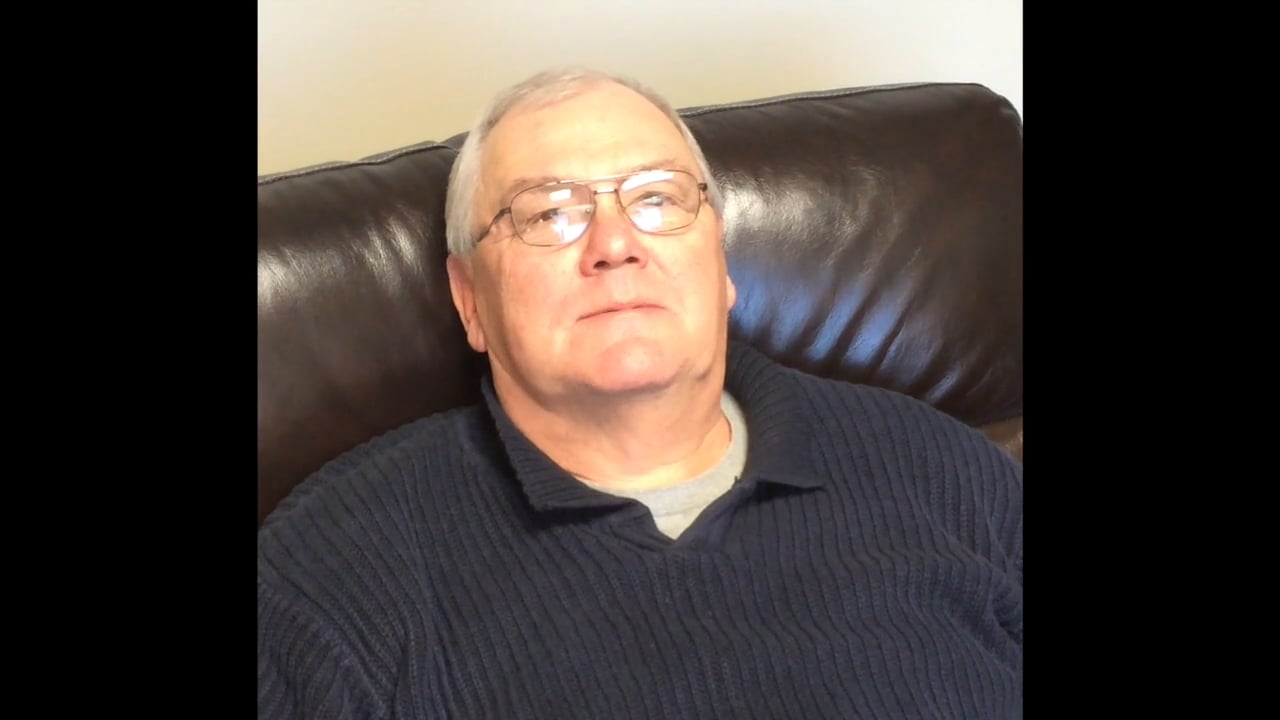
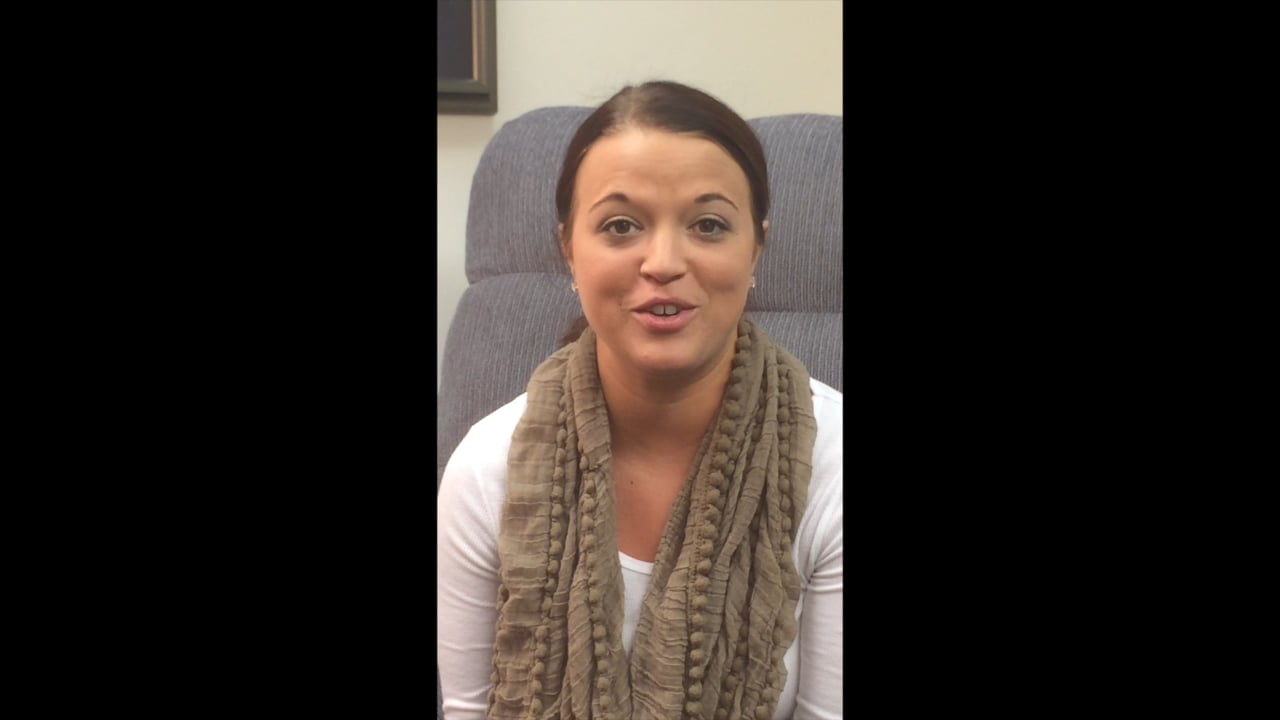
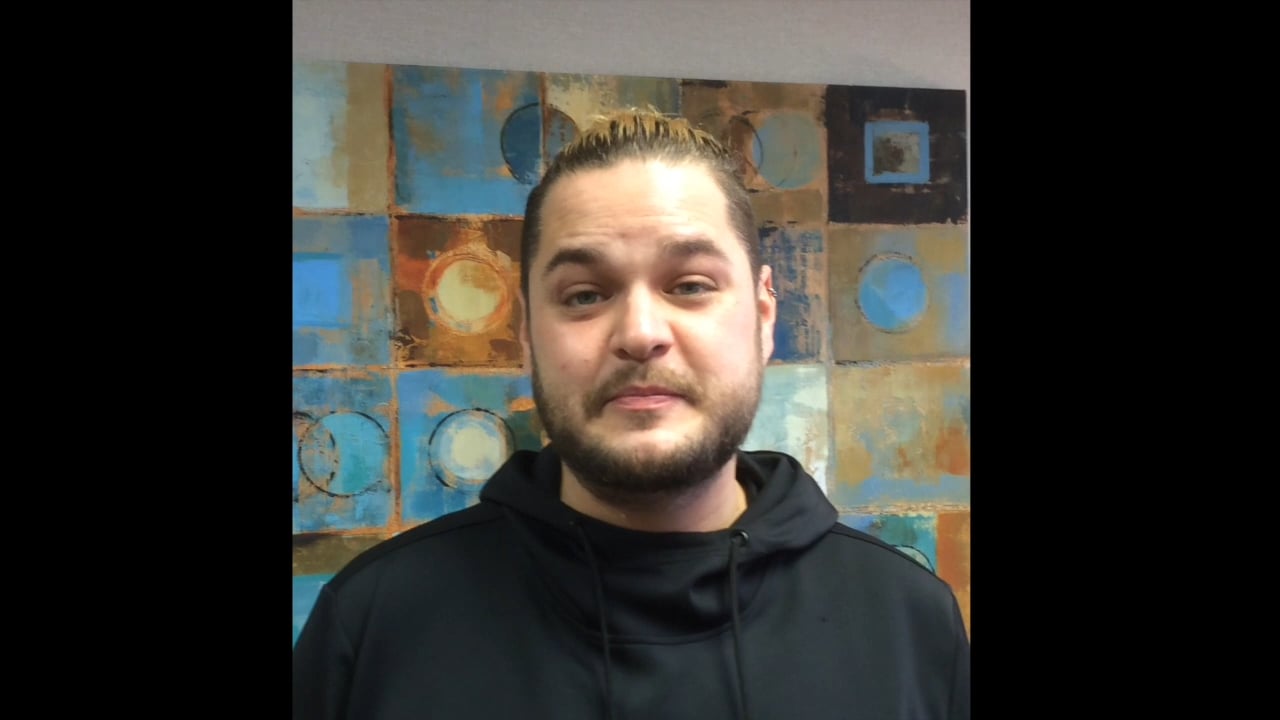
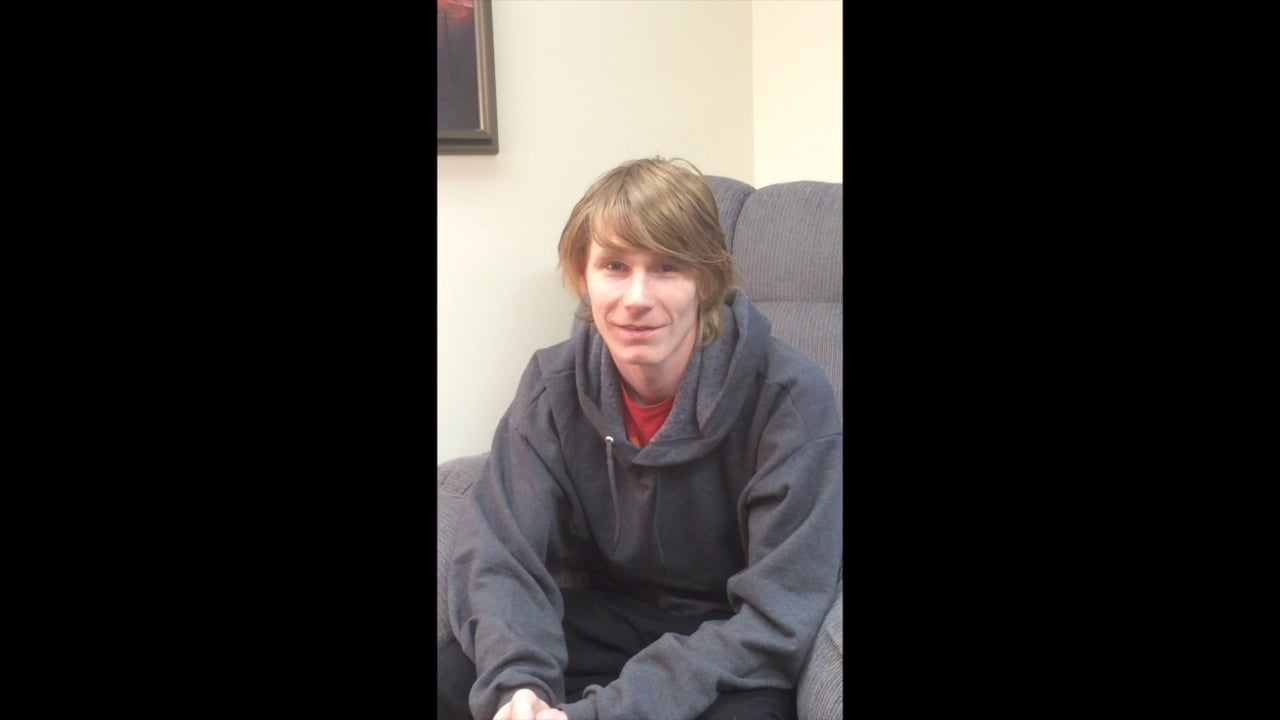
What Long-Time Smokers Say After Working With Indy Hypnosis
For over 30 years, Indy Hypnosis has helped thousands of people break free from smoking, vaping, and chewing tobacco. Our clients include heavy smokers, long-time pack-a-day smokers, and individuals who had nearly given up after trying every other method. Across this work, we have achieved a 93% success rate in helping clients become non-smokers, largely because each session is tailored to a person’s specific mindset, routines, and goals rather than relying on a one-size-fits-all script.
Many clients come to us through direct referrals from their doctors, while others arrive because a friend or family member successfully quit through our programs. Many choose us after seeing consistent 5-star reviews and real client stories. While every experience is unique, what remains constant is our commitment to your success, your health, and your long-term freedom.

A Return to Baseline
Imagine Life As A Non-Smoker
Picture yourself finishing your morning coffee without automatically reaching for a cigarette. Driving across town without rolling down the window to smoke. Walking into a meeting, restaurant, or your home knowing your body is healthier.
Imagine taking a deep breath and enjoying the freedom of not needing anything else. Your clothes don’t smell of smoke. Your car feels cleaner. Your family no longer worries every time you cough. The money you used to burn on cigarettes stays in your pocket, and the constant mental tug-of-war finally goes quiet.
Become the person who no longer needs (or craves) cigarettes. That’s the transformation our Stop Smoking Hypnosis program is designed to create.
The one most people cannot picture giving up is the first of the day. Why the first cigarette of the day is the hardest to give up explains what makes it different, and what your own timing reveals.
Pattern Shifts
Early Indicators That the Habit Is Rewiring
When people first explore hypnosis to quit smoking, they are often surprised by how many advantages it offers compared with other methods. Common benefits of quitting through hypnosis include:
The most common of those assumptions is that cigarettes are managing stress. Does smoking relieve stress? looks at what is actually being relieved, and what changes after quitting.
- The urge to smoke loses intensity and frequency, often faster than expected
- Withdrawal feels surprisingly manageable, with less irritability and tension
- Breathing becomes easier, with a reduction in coughing or chest tightness
- Less risk of trading smoking for stress-eating or other habits
- Stress settles without needing a cigarette, and sleep improves naturally
- Triggers lose their power, making it easier to be around other smokers
- Decision-making feels clearer, especially in moments where they previously lit up
- A renewed sense of control and freedom, physically, mentally, and financially
Many clients come to us after multiple attempts to quit. Instead of feeling deprived, a lot of former smokers describe feeling refreshed, energized, and relieved as the habit loosens and their health begins to improve.
Worried about the scales? Will I gain weight if I quit smoking? covers what actually happens, how much, and what reduces it.
Your Way Forward
Two Ways to Become a Non-Smoker Again
Freedom From Smoking DIY Course
Self-Guided Online Program
For those who need a budget-friendly, flexible option.
A complete, DIY version of our stop smoking program that you can complete at home, on your own schedule, using your computer, tablet, or smartphone.
Includes:
- The full Stop Smoking With Hypnosis program in pre-recorded video and audio sessions with Tim Shurr
- A guided, step-by-step structure so the process feels clear and manageable
- Practical tools to reduce cravings, manage stress, and prevent weight gain
- Resources to help install healthy, long-term habits and prevent relapse
- The Cure for Self-Sabotage audiobook
- Lifetime access to all program materials, so you can revisit sessions whenever you need reinforcement
- Mobile-friendly access, so you can use the program wherever you are
- 30-day money-back guarantee for added peace of mind
If you need to quit smoking and can’t commit to live sessions right now, this gives you a powerful way to begin.
$249/one-time payment
Freedom From Smoking Live Coaching Program
Sessions With Tim’s Top Hypnosis Coaches
For those who need results now and want personalized, expert support.
A High-touch, private program designed to help you stop smoking as quickly and comfortably as possible. Sessions are tailored to your mindset, history, and triggers so the work feels relevant and effective.
Includes:
- Two 55-minute private hypnosis sessions scheduled in the same week to build momentum (facilitated via Zoom or telephone)
- A complimentary third reinforcement session if additional support is needed
- Four time-tested hypnosis audio programs that reinforce what you're learning
- Brain Software for the Road audio affirmations program for on-the-go support
- Lifetime access to our online Freedom From Smoking course, so you can revisit the process anytime ($350 value)
- Freedom From Smoking tips and tricks resource handouts
- Anti-Anxiety Toolbox handout to manage stress without cigarettes
- The Cure for Self-Sabotage audiobook
This program is ideal if you need to quit quickly for health or medical reasons, want a clear and structured plan, and prefer private guidance from an experienced hypnotherapist.
Wondering how many sessions you would actually need? How many hypnosis sessions does it take to quit smoking? explains what determines the number and what to ask before booking anything.
$1200/one-time payment
You & Your Family Will Benefit
For Anyone Who Wants to Quit Without the Chaos of Withdrawal
People who benefit most from this approach are often those who know smoking is costing them far more than cigarettes alone, in health, energy, time, and professional presence, but haven’t been able to break the pattern on their own.
Many are long-term smokers who have tried quitting several times, only to return to the habit the moment stress intensifies. Others are facing medical deadlines, preparing for surgery, or simply tired of hiding their smoking from colleagues, family, or leadership teams.
What they have in common is a desire for a private, structured, and judgment-free method that addresses the real drivers of the habit, especially the subconscious triggers and emotional patterns that fuel cravings.
If you value a calm, confidential process, want lower withdrawal symptoms, and prefer working with a seasoned professional who understands high-pressure lifestyles, this method is highly aligned with your needs.
Considering switching instead? Vaping vs cigarettes sets out what the evidence supports, where health bodies disagree, and what switching does not change.
Why Is Quitting Smoking So Difficult?
Short answer: because smoking is rarely one habit. It is dozens of small automatic behaviours attached to moments in your day, held together by a chemical dependency that fades far faster than the routines around it.
Nicotine gets most of the blame, and it deserves some. But nicotine leaves the body within a few days. The reason intelligent, capable, determined people still find themselves smoking three weeks later has less to do with chemistry than with everything the cigarette became attached to.
This is also why determination on its own so rarely holds. Why willpower isn’t enough to quit smoking goes through what is actually happening when a quit attempt collapses, and what tends to work better.
The one after eating is among the most reinforced of all. Why do I want a cigarette after eating? breaks down the three mechanisms behind it.
- Habit loops. A cue, a behaviour, a reward — repeated thousands of times until it runs without conscious thought. You do not decide to smoke after dinner. You notice you are already outside.
- Emotional triggers. Cigarettes become the tool for managing frustration, boredom, grief, celebration, and waiting. Remove the cigarette and those feelings arrive without their usual answer.
- Environmental cues. The car. The back step. The coffee. The first ten minutes of a break. These places and objects carry the habit even when you are not thinking about it.
- Nicotine dependence. Real, but short-lived. Physical withdrawal typically peaks within 72 hours and largely resolves within two weeks — long before most relapses happen.
- Stress. Smoking feels like relief because the first drag ends withdrawal that smoking itself created. The relief is real; the cause is circular.
- Identity. After twenty or thirty years, “I am a smoker” stops being a description and becomes a fact about who you are. Quitting can feel like losing something rather than gaining something.
None of this means you lack discipline. It means willpower is being asked to override patterns that were never built by conscious choice in the first place — which is why the same person who runs a business or raises a family can still struggle to put down a packet.
Those loops can form even without daily smoking. Social smoking covers the pattern that runs on situation rather than dependence, and why nights out end so many quit attempts.
How Hypnosis May Help
Short answer: hypnosis uses focused attention and heightened suggestibility to work with the part of the mind where automatic behaviours are stored, rather than arguing with them consciously.
Hypnosis is a natural state of deep relaxation combined with narrowed, focused attention. You have entered it many times — absorbed in a film, driving a familiar route, lost in a book. In that state the critical, analysing part of the mind quietens, and the mind becomes more receptive to new suggestions and associations.
That matters for smoking because the habit does not live in the reasoning part of your mind. You already know the health facts. Knowing them has not been enough. Hypnosis works at the level where the automatic response actually sits.
- Focused attention. Distraction drops away, so suggestions are received without the usual internal argument.
- Heightened suggestibility. The mind becomes more open to new instructions — while you remain awake, aware, and able to reject anything you disagree with.
- Subconscious learning. New associations can form more readily in this state than through conscious repetition alone.
- Interrupting automatic behaviour. The link between a cue and the reach for a cigarette can be loosened, so the sequence stops running on autopilot.
- Building new responses. Rather than leaving a gap where the cigarette was, we work on what replaces it — a different response to stress, boredom, or the end of a meal.
Hypnosis is not a cure and it does not remove cravings on command. It is not a substitute for medical advice, and some people benefit from combining it with nicotine replacement or support from their doctor. What it offers is a different point of leverage on a habit that has resisted the conscious approach.
For the underlying mechanism, what happens in your brain when you quit smoking covers receptor changes, cue signalling, and what recovers when.
What Happens During a Smoking Hypnosis Session?
Short answer: a structured conversation, followed by a period of guided relaxation, followed by practical reinforcement. You stay awake and in control throughout, and you remember it afterward.
- Consultation. Before anything else we talk. How long you have smoked, what you have already tried, when you smoke most, and what quitting would actually change for you. This is also where we tell you honestly whether we think we can help.
- Goal setting. “Stop smoking” is the outcome, not the goal. The goal is specific — the after-dinner cigarette, the one in the car, the one that follows an argument. We identify what actually needs to change.
- Hypnosis. You close your eyes and are guided into a relaxed, focused state. Most people describe it as the most relaxed they have felt in years. You hear everything. You can speak. You can open your eyes at any point.
- Reinforcement. Suggestions are repeated and layered rather than delivered once, because repetition is how the subconscious accepts change.
- Homework. Usually a recording to listen to between sessions, and sometimes small behavioural changes. The work between sessions matters as much as the sessions.
- Future pacing. Before finishing, we mentally rehearse the situations most likely to trip you up — the first stressful day, the first night out, the first time someone offers you one — so your mind has already practised a different response.
You will not cluck like a chicken, lose consciousness, or reveal anything you would rather keep private. Hypnosis is a do-with process, not a do-to process.
Is Online Hypnosis Effective?
Short answer: yes, for most people. During a session your eyes are closed and you are guided verbally, so the experience is much the same whether the voice is in the room or coming through headphones.
This is usually the question people ask most sceptically, and it deserves a straight answer rather than a sales pitch. Here is what actually differs, in both directions.
- Privacy. No waiting room, no chance of running into someone you know, no explaining where you are going. For a habit many people feel embarrassed about, this matters more than it sounds.
- Convenience. No travel, no time off work, easier to schedule follow-up sessions — and follow-through between sessions is a large part of what determines the outcome.
- Comfort. You are in your own chair, in your own home. Relaxation tends to come faster somewhere your nervous system already considers safe.
- Focus. This is the genuine trade-off. Home has interruptions — phones, family, deliveries. Online sessions work best when you treat the hour as protected time and remove the distractions in advance.
What online cannot do is read the room the way an in-person practitioner can. In practice, for a habit-change goal like smoking, that difference is smaller than most people expect. If you would genuinely rather sit in a room with someone, that is worth saying during your consultation.
Why Choose Indy Hypnosis?
Quitting smoking is one of the most common reasons people come to us, and it has been for over three decades.
Three Decades of Experience
Indy Hypnosis has been helping people change entrenched habits since 1995. Smoking has been part of that work from the beginning.
Thousands of Sessions
Smoking cessation is among the most requested services we provide, which means the process has been refined across a very large number of people.
A Structured Process
Consultation, goal setting, hypnosis, reinforcement, between-session work, and future pacing. Not a single session and a handshake.
Clients Nationwide
Secure virtual sessions mean the practice is no longer limited by geography. Clients work with us from across the country.
A Personalized Approach
Your smoking habit attached itself to your life, your routines, and your stressors. The work is built around those, not a script.
Frequently Asked Questions
Everything You Need to Know About Quitting Smoking Through Hypnosis
1. How does hypnotherapy help me quit smoking?
Hypnotherapy works with the subconscious part of your mind that links cigarettes with relief, comfort, or routine. By updating this “automatic programming,” we help your brain return to its natural, non-smoking state. Instead of feeling like you’re fighting yourself, you begin to feel more aligned with your decision to quit.
2. Will I experience hypnosis each session?
Absolutely! In every session, you will enjoy the relaxing power of hypnosis to help you live a healthier lifestyle as a confident non-smoker. You’ll also re-experience the soothing relaxation any time you wish because you’ll have lifetime access to all the hypnosis audios and helpful resources.
- The 1st portion of each program will be for teaching and instruction.
- The second portion is for the Hypnosis (brain-training) session.
- The third portion is for Q&A, so you feel confident and prepared when you leave.
3. What about cravings and withdrawal?
Many clients are surprised by how manageable cravings feel using this approach. When your body is relaxed and your mind is calmer, withdrawal symptoms often reduce in intensity and duration. For some people, discomfort lasts only a few days, while for others, it is minimal. We also teach practical tools to handle emotional triggers so you are not relying on willpower alone.
4. Will I gain weight when I quit?
Weight gain is not automatic. People usually gain weight when they stop smoking and start using food as a replacement coping strategy. Our programs include suggestions and strategies to prevent this, teaching your mind and body to reach for healthier options and new ways of calming stress instead of turning to food.
5. What if I’ve tried everything and nothing worked?
Most of our clients arrive after multiple attempts to quit with patches, medications, gum, or going cold turkey. Those methods often focus on nicotine alone and overlook the emotional and subconscious drivers behind the habit. Hypnosis helps address the underlying stress patterns and beliefs, making it easier to create a lasting shift instead of another short-term attempt.
6. Can everyone be hypnotized?
Almost everyone can enter the hypnotic state, because it is a natural ability rather than a special talent — you already enter it daily when absorbed in a book or driving a familiar route. Willingness matters more than susceptibility. The main obstacle is trying too hard.
7. Will I remember everything?
Yes. You remain awake and aware throughout, and you will remember the session afterward. Hypnosis is not sleep and it is not unconsciousness. Most people are surprised by how ordinary and alert it feels.
8. Can hypnosis make me quit instantly?
For some people the change is immediate; for many it builds over days and weeks. Anyone promising a guaranteed one-session cure is overselling. What we can say is that the process often works faster than people expect, and we will give you an honest estimate at your consultation.
9. How many sessions will I need?
Most people work with us over a small number of sessions rather than months of appointments. It depends on how long you have smoked, how many separate routines the habit is attached to, and what else is going on in your life. We will tell you straight rather than sell you a package first.
10. Can hypnosis help with vaping?
Yes. Vaping presents the same structure — a nicotine dependence wrapped in automatic routines and emotional triggers. In some ways it is harder, because a vape can be used continuously and indoors, so the habit attaches to more moments in the day. The approach is the same.
11. Is hypnosis safe?
For most people, yes. It is a natural state you already experience regularly. That said, hypnosis is not appropriate for everyone, and we will tell you honestly during your consultation if we do not think it is the right fit. It is not a replacement for medical care or advice from your doctor.
12. Can I quit if I actually enjoy smoking?
Yes, and this is more common than people admit. Enjoying something and wanting to be free of it are not contradictory. The work is not about convincing you that you hate cigarettes — it is about changing the automatic pull, so that not smoking stops requiring constant effort.
13. Can I do hypnosis online?
Yes. During a session your eyes are closed and you are guided verbally, so the experience is much the same in person or over video. Many clients prefer online for the privacy and because it removes the travel that often gets in the way of follow-up sessions.
14. Do I need to want to quit for this to work?
Yes, genuinely. Hypnosis cannot make you do something you fundamentally do not want to do. If you are here because a spouse or doctor sent you and you have no interest in stopping, this is unlikely to help. If part of you wants to quit and part of you resists, that is normal and workable.
15. What happens in the free consultation?
A relaxed, confidential conversation about your smoking history, what you have already tried, and whether hypnotherapy is a sensible next step for you. No obligation and no high-pressure pitch. If it is not the right fit, we will say so.
Learn More About Hypnosis
New to this? These may help before you book:
What is hypnosis? · How hypnosis works · Client success stories · Hypnosis for anxiety and stress · Confidence and other services · Meet Tim Shurr · Book a free consultation
Trusted by Leaders in Personal Development
“Tim guides us step-by-step to a heightened awareness and offers specific actions we must take to overcome all the odds, invisible and real, to achieve authentic, lasting success. Tim Shurr is a change agent you can trust.”
Dr. Denis Waitley
Author, The Psychology of Winning
“Tim’s reputation speaks for itself. He has helped to change thousands of people’s lives around the world… I highly recommend him.”
Les Brown
Motivational Speaker & Author
“After over half a century of working in the field of personal growth, I’m totally convinced BELIEF is the stumbling block for the masses… This program can change your life forever.”
Bob Proctor
Author & Personal Development Pioneer
get in touch
Ready To Regain Your Freedom?
Schedule a free hypnosis consultation to discuss your goals and challenges. Together, we’ll talk through your needs and determine the most helpful direction forward.
- Schedule your consultation.
- We’ll talk about what you’ve been experiencing.
- Together, we’ll determine whether hypnosis is the right approach for you.
No pressure. No obligation. Just a friendly conversation that produces more clarity and hope.